 नेपाल
नेपाल.jpg)
Dumpling Icon
Steamed Momo
मःमNepal's undisputed favorite food. Delicate dough pockets pleated around spiced minced meat or vegetables, steamed to perfection and served with tangy sesame tomato chutney.
Spice:🔥🔥
Explore Dish →.jpg)
From terraced mountain fields watered by glacial streams to aromatic open hearths in ancient alleys — Nepali cuisine is a rich tapestry of spice, culture, and deep-rooted hospitality. Come sit at our table.
Nestled between the high snow peaks of Tibet and the fertile plains of the Terai, Nepal's food culture is unlike anywhere else on earth. Ancient trade caravans brought high-altitude barley, salt, and steamed dumplings, while southern trade enriched the valley with wild mustard, turmeric, and aromatic seeds.
In Nepal, a meal is never just sustenance—it is an expression of care. To ask someone "Khana khanu bhayo?" (Have you eaten?) is the warmest Nepali greeting, serving as both hello and a vow that no guest will ever leave hungry.
High-altitude Himalayan wild onion fried in warm ghee to temper black lentils.
Citrusy, electric peppercorns harvested from mountain shrubs for spicy achars.
Pungent Toriko Tel extracted locally, giving curries their signature warmth.
.jpg)
The iconic brass plate — holding aromatic Basmati rice, slow-cooked mutton curry, black lentil dal, and fresh pickles.
In the terraced hills of Nepal, industrial farming doesn't exist. Food is sown by hand, nurtured by monsoon rains, and harvested with songs of togetherness.
Staircases of green carved into mountain slopes grow heirloom rice, buckwheat (Phapar), and finger millet (Kodo). Every grain absorbs the pure mineral-rich mountain runoff.
When winter arrives, mountain greens are tightly packed into earthenware jars and fermented under the sun to create Gundruk — rich in probiotics, tangy, and deeply gut-healthy.
Villagers ascend high alpine pastures to forage Jimbu grass, fiery Dalle Khursani chilies, and wild honey, ensuring every dish tastes untamed, vibrant, and alive.
.jpg)
Long before rice reached the high valleys, Dhido sustained Nepali farmers through rigorous mountain labor. Made by continuously whisking buckwheat or millet flour into boiling water over an open wood hearth, it is eaten hot with dollops of melted golden ghee, fermented Gundruk soup, and wild spinach (Saag).
In Nepal, no one eats alone. Dining is a communal ritual where generations sit side-by-side on woven straw mats (Sukul), sharing food cooked in massive copper cauldrons over firewood.
Whether it's Dashain, Tihar, a village wedding, or Newari festival, a Bhoj (feast) brings together friends, family, and strangers alike. Generous hosts walk between rows of guests, ladling hot curries and pouring warm Aila or butter tea.
Explore our curated culinary catalog. Click on any dish card to view detailed flavor notes, cultural origins, spice intensity, and travel recommendations!
Nepal's undisputed favorite food. Delicate dough pockets pleated around spiced minced meat or vegetables, steamed to perfection and served with tangy sesame tomato chutney.
.jpg)
Steamed momo submerged in a steaming bowl of tangy, nutty tomato-sesame broth (Jhol Achar). A comforting staple on chilly Kathmandu evenings.
Originating from the Thak Khola valley traders, this thali features steamed rice, aromatic lentil soup, tender curries, gundruk, and mountain radish pickle.
.jpg)
"Dal Bhat Power 24 Hour!" The pulse of Nepal eaten twice daily. Steamed rice, yellow lentil soup tempered with Jimbu herb, fresh vegetables, and savory curry.
Nutritious cooked flour porridge made from organic buckwheat or millet. Eaten by tearing morsels, dipping in melted ghee, and swallowing with tangy gundruk.
.jpg)
The ritual festival platter of the Kathmandu Valley Newar community. Flattened beaten rice surrounded by flame-spiced Choila, fried egg, soybeans, black-eyed peas, and bamboo shoots.
.jpg)
Meat marinated in raw mustard oil, garlic, ginger, and chilies, wood-grilled over natural charcoal and served with crunchy puffed rice (Baji) and onion salad.
.jpg)
Thick hand-pulled noodles simmered in aromatic bone broth with sliced mountain greens, chicken or mushrooms, and a drizzle of spicy chili oil.
.jpg)
Wok-tossed hand noodles topped with fiery minced spiced meat, scallions, and red garlic chili oil. Popular around Kathmandu's stupa alleyways.
.jpg)
Flaky pastry shell stuffed with cumin-spiced mashed potatoes and green peas, fried golden and served with fresh cilantro mint chutney and sweet tamarind sauce.
.jpg)
Crispy hollow puris filled with spiced potato mash and chickpeas, drowned in ice-cold, chili-spiked mint water. Eaten whole in one explosive bite!
.jpg)
Whole-wheat flatbread stuffed with spiced potato mash, pan-griddled with ghee until golden blistered, topped with melting white butter and fresh curd.
.jpg)
Ring-shaped rice flour bread flavored with cardamom and ghee, deep-fried during Dashain and Tihar. Crisp on the outside, soft and fluffy inside.
.jpg)
Delicate fig-shaped rice dough dumpling filled with gooey Chaku (sugarcane molasses) and sesame seeds, steamed hot during the Yomari Punhi festival.
.jpg)
Fragrant rice slow-simmered in whole milk with green cardamom, saffron threads, raisins, pistachios, and cashews. Served at all celebratory rituals.
.jpg)
The vibrant soul of every Nepali meal: spiced potato pickle (Aloo Achar), sun-dried radish (Mula Achar), and fermented greens (Gundruk).
A banquet celebration with steaming copper vessels overflowing with dozens of authentic regional dishes, enjoyed in the warmth of Nepali hospitality.
Speak like a local. Each button uses Nepali script and your device's Nepali voice, when available, for a more natural pronunciation.
Meaning: “It’s delicious!” Complimenting the cook or host with this phrase will bring immediate smiles.
Meaning: “Have you eaten?” The universal Nepali greeting of affection and hospitality.
Meaning: “Please give me a second helping!” Asking for extra dal or rice is high praise.
Meaning: “Thank you!” Expressing gratitude at the conclusion of a sacred meal.
Nepal's landscapes are matched only by its culinary destinations. Start planning your unforgettable food adventure.
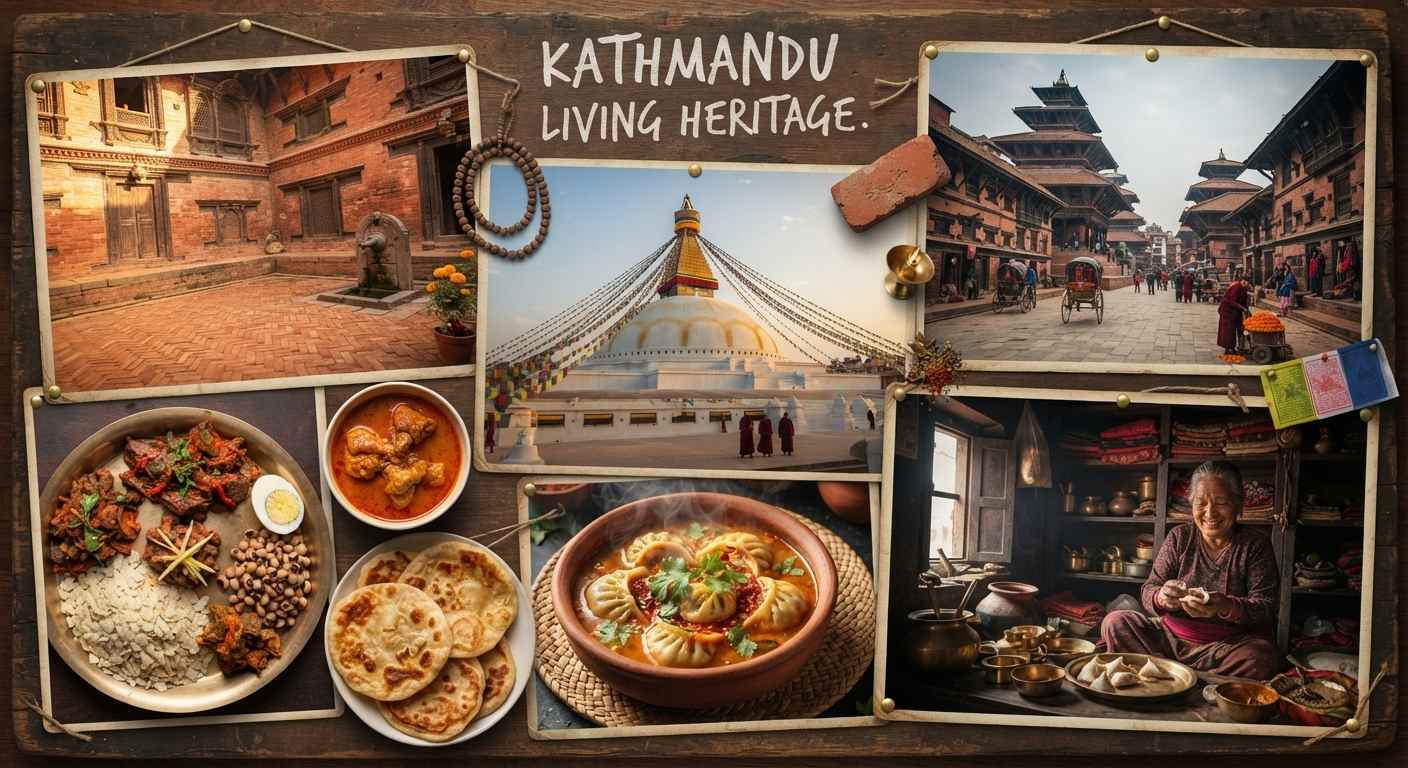
📍 Kathmandu, Patan & Bhaktapur
Wander ancient brick courtyards. Feast on Samay Baji in historic Durbar Squares, savor Jhol Momo near Boudhanath Stupa, and taste sweet Yomari in old pottery workshops.
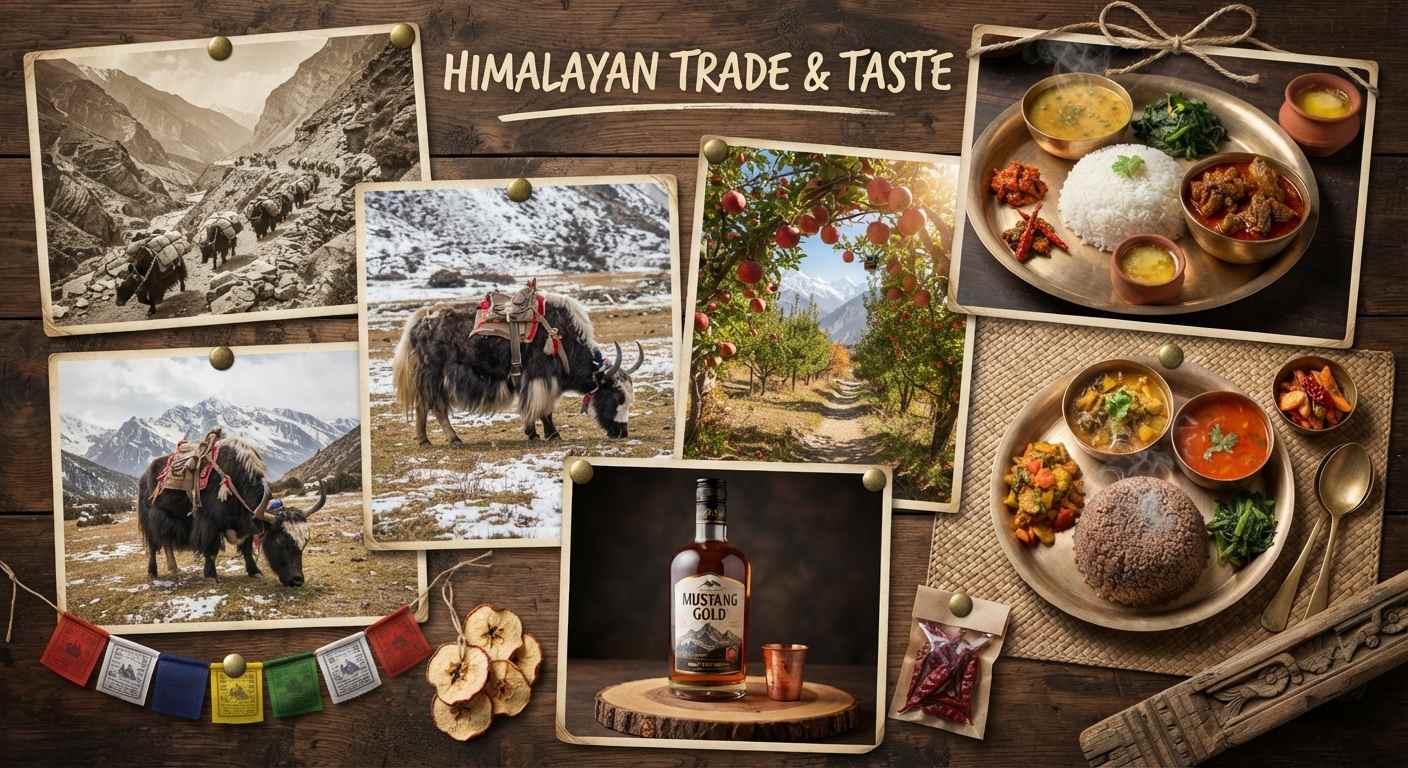
📍 Annapurna & Kali Gandaki Gorge
Trek along ancient mountain trade routes. Experience original Thakali Thalis cooked with local buckwheat, yak butter tea, and Marpha village's famous apple brandy.
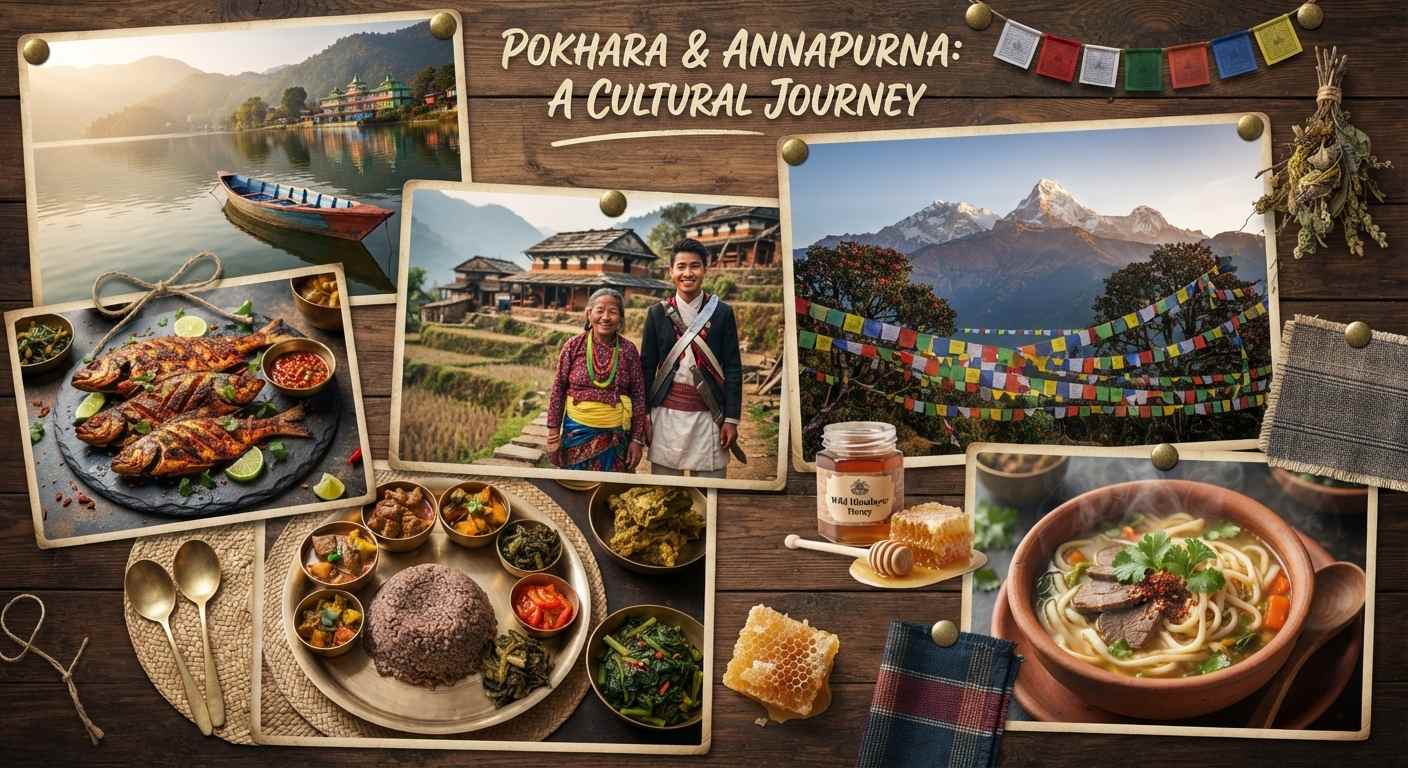
📍 Pokhara Lakeside & Ghandruk Village
Enjoy lakefront cafes serving grilled fish, then trek to Gurung hill villages for organic Dhido, wild honey, and hearth-cooked meals overlooking Annapurna peaks.
Nepal is warm, welcoming, and endlessly delicious. Pack your appetite and embark on a lifetime of culinary memories!